
Naturopathy
Introduction to Naturopathy
Naturopathy is a holistic system of healing that focuses on the body’s natural ability to restore and maintain health. It emphasizes the use of natural therapies, lifestyle modifications, and preventive care to promote overall well-being. Rooted in ancient healing traditions, naturopathy combines modern scientific knowledge with natural treatment methods to address the root cause of illness rather than just its symptoms.
The core principle of naturopathy is that the human body has an inherent self-healing power. By supporting this natural process through proper nutrition, exercise, detoxification, and stress management, individuals can achieve balance and harmony in body, mind, and spirit.
Naturopathic treatments often include diet therapy, hydrotherapy, yoga, massage, herbal medicine, fasting, and lifestyle counseling. These therapies aim to cleanse the body of toxins, strengthen the immune system, and restore vitality.
Naturopathy is not just a treatment method—it is a way of life that encourages people to live in harmony with nature. It promotes preventive healthcare, self-awareness, and sustainable wellness practices that lead to long-term health and happiness.
By adopting naturopathy, individuals can experience a natural, safe, and effective path to healing and improved quality of life.
Five Elements
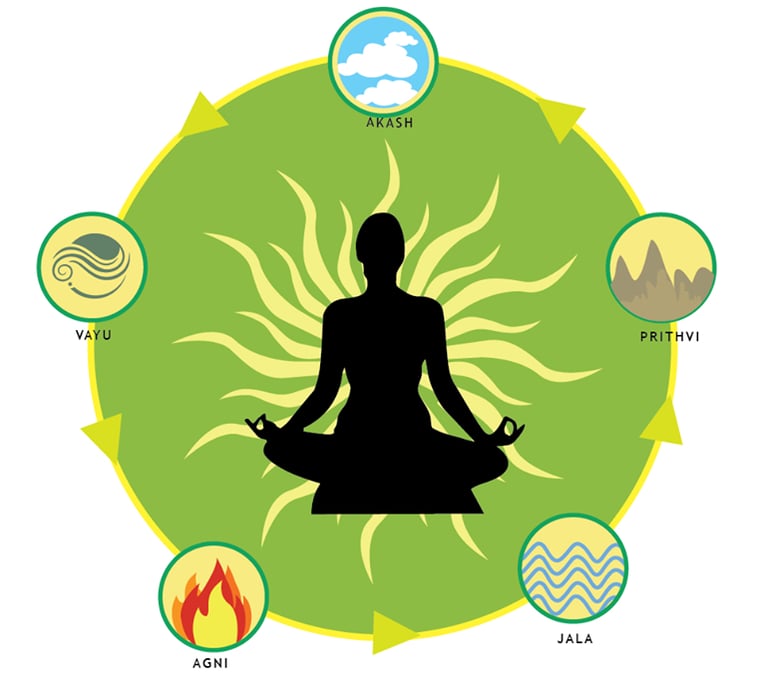
In Naturopathy, the foundation of healing is based on the Five Great Elements of Nature, also known as Panchamahabhutas. These elements — Earth, Water, Fire, Air, and Ether (Space) — are believed to form the basis of all creation, including the human body. Maintaining balance among these elements is essential for good health and harmony.
1. Earth (Prithvi)
The Earth element represents stability, strength, and structure. It forms the solid components of the body such as bones, muscles, and tissues. In naturopathy, therapies like mud therapy, diet rich in minerals, and grounding exercises help strengthen the Earth element and enhance physical endurance.
2. Water (Jal)
Water symbolizes purity, fluidity, and cleansing. It governs all bodily fluids — blood, lymph, and digestive juices. Hydrotherapy, drinking pure water, and maintaining hydration are key naturopathic practices that balance the Water element, aiding detoxification and circulation.
3. Fire (Agni)
The Fire element stands for energy, transformation, and metabolism. It controls digestion, body temperature, and vision. Sunbathing, fasting, and consuming balanced, warm foods help regulate the Fire element, promoting vitality and proper metabolic function.
4. Air (Vayu)
Air represents movement, breath, and life force. It governs the respiratory system, circulation, and nervous functions. Breathing exercises (Pranayama), fresh air exposure, and physical activity are essential to balance the Air element, ensuring mental clarity and energy flow.
5. Ether (Akash)
Ether, or Space, signifies expansion, openness, and consciousness. It provides room for all other elements to exist and function. Meditation, silence, and mindfulness practices help harmonize the Ether element, fostering peace and spiritual awareness.
Balance of the Five Elements
Naturopathy teaches that disease arises when these five elements become imbalanced. By restoring their natural harmony through diet, lifestyle, and natural therapies, one can achieve holistic health and inner balance.
The Five Elements form the essence of naturopathic philosophy — guiding individuals toward a life of natural healing, balance, and connection with nature.
Mud Therapy
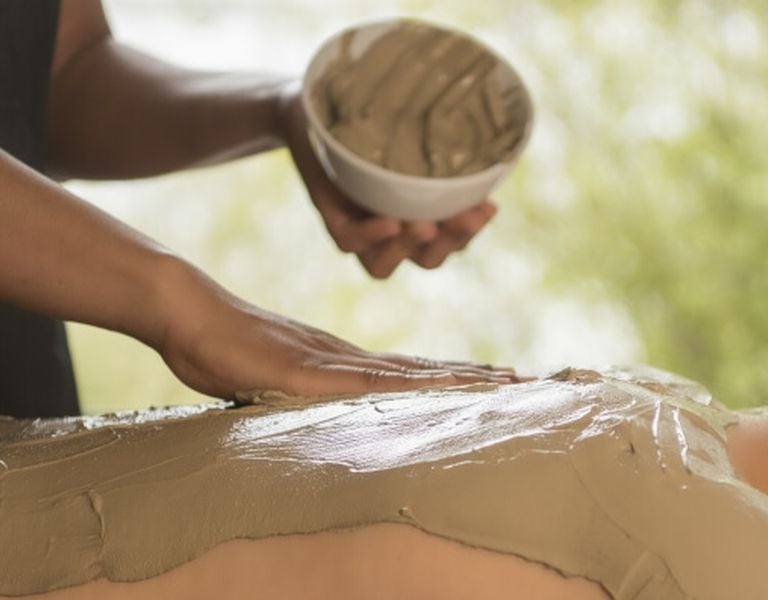
Mud Therapy is one of the most effective and widely used treatments in Naturopathy, known for its natural healing, cooling, and detoxifying properties. It utilizes the therapeutic qualities of earth to restore balance in the body and promote overall health.
Importance of Mud in Healing
Mud is a natural element rich in minerals and nutrients that help absorb toxins, reduce inflammation, and improve circulation. It has the ability to retain moisture and maintain a cooling effect for a long time, making it beneficial for various ailments and skin conditions.
Benefits of Mud Therapy
Detoxification: Mud draws out impurities and toxins from the body, cleansing the skin and internal systems.
Improves Skin Health: Regular mud applications enhance skin texture, reduce acne, and promote a natural glow.
Reduces Inflammation: The cooling effect of mud helps relieve pain, swelling, and inflammation in joints and muscles.
Enhances Digestion: Mud packs applied to the abdomen can help improve digestion and relieve constipation.
Relieves Stress: The soothing nature of mud therapy calms the mind, reduces stress, and promotes relaxation.
Common Mud Therapy Treatments
Mud Pack for Eyes: Helps reduce eye strain, dark circles, and relaxes the optic nerves.
Mud Pack for Face: Cleanses pores, removes impurities, and rejuvenates the skin.
Mud Pack for Abdomen: Improves digestion and helps in detoxification.
Full Body Mud Bath: Provides complete relaxation, improves circulation, and revitalizes the body.
How Mud Therapy Works
When applied to the body, mud absorbs heat and toxins, allowing the skin to breathe and improving blood flow. It also balances the body’s temperature and enhances the natural healing process.
Conclusion
Mud Therapy is a simple yet powerful naturopathic treatment that connects the body with nature’s healing energy. By harnessing the earth’s natural properties, it helps rejuvenate the body, mind, and spirit — promoting holistic wellness and harmony with nature.
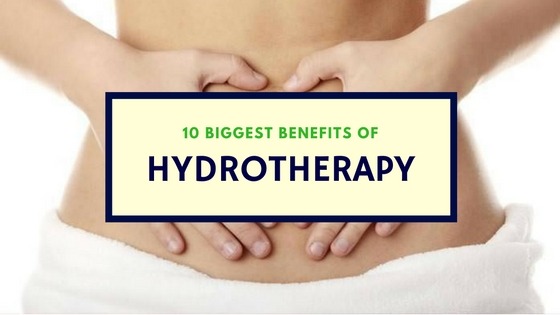
Hydrotherapy is a vital branch of Naturopathy that uses water in different forms and temperatures to promote healing, detoxification, and overall well-being. It is based on the principle that water, being a universal solvent, can help balance body temperature, improve circulation, and stimulate the body’s natural healing processes.
Importance of Hydrotherapy
Water has been used as a healing medium since ancient times. In naturopathy, hydrotherapy is used both internally and externally to cleanse the body, tone the organs, and restore energy. The temperature and pressure of water play a key role in influencing blood flow and nerve activity, helping the body regain balance and vitality.
Benefits of Hydrotherapy
Improves Blood Circulation: Alternating hot and cold water treatments enhance blood flow and oxygen supply to tissues.
Detoxifies the Body: Water helps flush out toxins and waste products through perspiration and improved kidney function.
Relieves Pain and Inflammation: Hydrotherapy soothes sore muscles, reduces joint pain, and alleviates inflammation.
Boosts Immunity: Regular hydrotherapy strengthens the immune system and enhances the body’s resistance to diseases.
Promotes Relaxation: Warm water treatments calm the nervous system, reduce stress, and improve sleep quality.
Common Hydrotherapy Treatments
Cold Compress: Reduces swelling, fever, and inflammation.
Hot Compress: Relieves muscle stiffness and improves blood flow.
Hip Bath: Balances pelvic circulation and helps in digestive and urinary disorders.
Spinal Bath: Relaxes the spinal nerves and relieves back pain and fatigue.
Steam Bath: Opens skin pores, removes toxins, and rejuvenates the body.
Foot and Arm Bath: Improves circulation and relieves fatigue.
Enema: Cleanses the colon and aids in digestive health.
How Hydrotherapy Works
Hydrotherapy works by stimulating thermal and mechanical reactions in the body. Hot water expands blood vessels and relaxes muscles, while cold water constricts vessels and reduces inflammation. This alternation enhances circulation, strengthens internal organs, and supports the body’s natural healing mechanism.
Conclusion
Hydrotherapy in naturopathy is a safe, natural, and effective way to restore health and vitality. By harnessing the healing power of water, it helps cleanse, rejuvenate, and balance the body — promoting harmony between the physical and mental systems for complete well-being.
Hydro Therapy

Cromotherapy
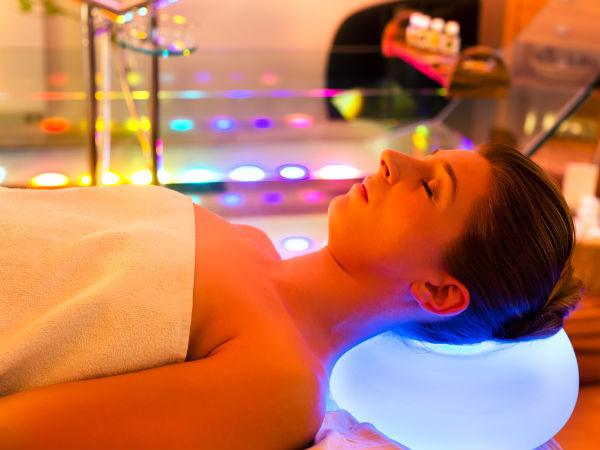
Chromotherapy, also known as Color Therapy, is an integral part of Naturopathy that uses the healing power of colors to restore balance and harmony in the body, mind, and spirit. It is based on the principle that each color in the visible spectrum has specific vibrations and energy frequencies that influence our physical, emotional, and mental well-being.
Concept of Chromotherapy
According to naturopathic philosophy, the human body is composed of energy centers known as chakras, and each chakra corresponds to a specific color. When these energy centers become imbalanced, it can lead to illness or emotional distress. Chromotherapy helps restore equilibrium by applying the appropriate color vibrations to the affected areas or chakras.
Benefits of Chromotherapy
Balances Energy Levels: Colors help regulate the body’s energy flow and restore natural balance.
Improves Mood and Mental Health: Different colors can uplift mood, reduce stress, and promote relaxation.
Enhances Physical Healing: Certain colors stimulate cell regeneration and improve organ function.
Boosts Immunity: Balanced color energy supports the body’s natural defense mechanisms.
Promotes Emotional Stability: Chromotherapy helps calm the mind and harmonize emotions.
Healing Properties of Colors
Red: Stimulates energy, circulation, and vitality.
Orange: Encourages creativity, joy, and enthusiasm.
Yellow: Improves digestion, intellect, and confidence.
Green: Promotes balance, harmony, and healing.
Blue: Calms the mind, reduces stress, and aids in communication.
Indigo: Enhances intuition and spiritual awareness.
Violet: Purifies thoughts and promotes inner peace.
Methods of Chromotherapy
Color Bath: Immersing the body in water infused with color vibrations.
Color Breathing: Visualizing and inhaling specific colors to balance energy.
Color Lamps or Filters: Using colored lights to project healing energy onto the body.
Color Diet: Consuming foods of different colors to nourish the body and balance energy.
Color Meditation: Focusing on specific colors to calm the mind and align chakras.
Conclusion
Chromotherapy is a gentle, non-invasive healing method that aligns the body’s energy with the natural vibrations of colors. By integrating color therapy into daily life, one can achieve physical vitality, emotional balance, and spiritual harmony — leading to complete well-being in tune with nature.
Food Therapy
Food Therapy is a fundamental aspect of Naturopathy, emphasizing the concept that “food is medicine.” It focuses on using natural, wholesome, and balanced foods to prevent and cure diseases, restore health, and maintain overall well-being. Naturopathy believes that the right diet not only nourishes the body but also purifies and rejuvenates it from within.
Concept of Food Therapy
In naturopathy, food is classified based on its natural properties, energy, and effect on the body. The therapy encourages eating fresh, organic, and unprocessed foods that are rich in vital nutrients and life energy (prana). It discourages the consumption of refined, preserved, or chemically treated foods that disturb the body’s natural balance.
Principles of Food Therapy
Eat Natural and Fresh: Consume seasonal fruits, vegetables, sprouts, nuts, and whole grains.
Food as Medicine: Choose foods that help heal specific organs or conditions.
Balance of the Five Elements: Include foods that maintain harmony among earth, water, fire, air, and ether elements.
Proper Food Combinations: Avoid incompatible food combinations that hinder digestion.
Mindful Eating: Eat slowly, chew thoroughly, and maintain a calm state of mind while eating.
Benefits of Food Therapy
Improves Digestion: Natural foods enhance digestive power and nutrient absorption.
Detoxifies the Body: Raw fruits and vegetables help eliminate toxins and purify the blood.
Boosts Immunity: A balanced diet strengthens the immune system and prevents diseases.
Maintains Ideal Weight: Promotes healthy metabolism and natural weight management.
Enhances Energy and Vitality: Provides sustained energy and mental clarity.
Promotes Longevity: Encourages a healthy lifestyle that supports long-term wellness.
Types of Food in Naturopathy
Raw Foods: Fruits, salads, sprouts, and juices that retain natural enzymes.
Cooked Foods: Lightly steamed or boiled foods that are easy to digest.
Liquid Diets: Fresh fruit and vegetable juices for detoxification.
Mono Diets: Eating one type of food at a time to aid digestion and cleansing.
Conclusion
Food Therapy in naturopathy is not just about eating right — it is about living in harmony with nature. By choosing natural, plant-based, and balanced foods, one can heal the body, calm the mind, and nurture the spirit. It is a holistic approach that transforms food into a powerful tool for health, vitality, and inner balance.
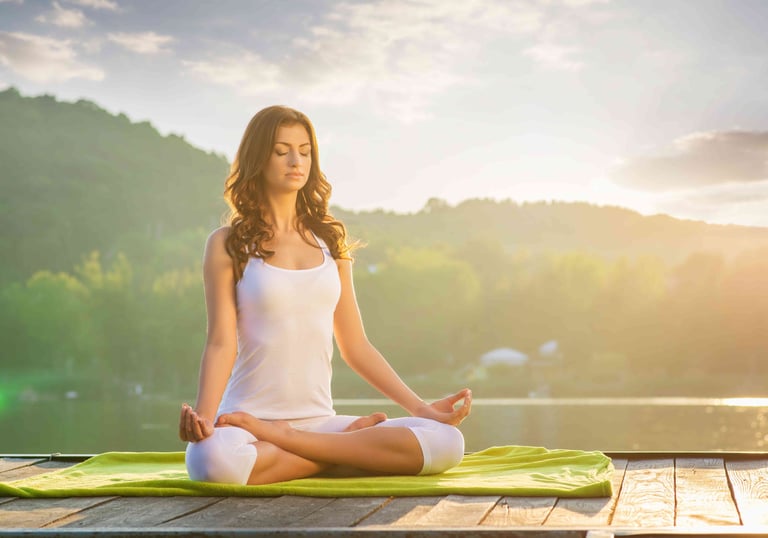
Asanas and Mudras are essential components of Naturopathy and Yogic science that promote physical, mental, and spiritual well-being. They help harmonize the body’s energy flow, improve flexibility, and enhance the functioning of internal organs. Together, they form a natural and powerful way to maintain health and prevent disease.
Asanas (Yogic Postures)
Asanas are specific body postures designed to bring stability, strength, and balance to the body and mind. They improve blood circulation, stimulate internal organs, and promote relaxation. Regular practice of asanas enhances flexibility, strengthens muscles, and supports the body’s natural healing process.
Benefits of Asanas
Improves Flexibility and Strength: Keeps muscles and joints supple and strong.
Enhances Circulation: Promotes better oxygen and nutrient supply throughout the body.
Boosts Immunity: Strengthens internal organs and improves overall vitality.
Reduces Stress: Calms the nervous system and promotes mental peace.
Improves Posture and Balance: Aligns the body and enhances coordination.
Common Asanas in Naturopathy
Tadasana (Mountain Pose): Improves posture and balance.
Bhujangasana (Cobra Pose): Strengthens the spine and improves digestion.
Paschimottanasana (Forward Bend): Relieves stress and tones abdominal organs.
Trikonasana (Triangle Pose): Enhances flexibility and stimulates digestion.
Shavasana (Corpse Pose): Promotes deep relaxation and mental calmness.
Mudras (Gestures)
Mudras are symbolic hand gestures or positions that channel the body’s energy flow and influence physical and emotional states. Each mudra stimulates specific energy pathways, helping to balance the five elements (earth, water, fire, air, and ether) within the body.
Benefits of Mudras
Balances Energy Flow: Restores harmony among the body’s elements.
Improves Concentration: Enhances focus and mental clarity.
Supports Healing: Helps manage stress, anxiety, and chronic ailments.
Promotes Emotional Stability: Calms the mind and uplifts mood.
Enhances Meditation: Deepens spiritual awareness and inner peace.
Common Mudras in Naturopathy
Gyan Mudra (Mudra of Knowledge): Improves concentration and memory.
Prana Mudra (Mudra of Life): Boosts energy and strengthens immunity.
Apana Mudra (Mudra of Digestion): Aids in detoxification and digestion.
Vayu Mudra (Mudra of Air): Balances air element and relieves joint pain.
Dhyana Mudra (Mudra of Meditation): Promotes calmness and spiritual growth.
Conclusion
Asanas and Mudras are natural tools for achieving holistic health in naturopathy. They harmonize the body, mind, and spirit, enhance energy flow, and promote self-healing. Regular practice leads to physical strength, mental clarity, and emotional balance — creating a state of complete well-being in alignment with nature.
Asanas & Mudras



Address
08A Tower 1B, Panchsheel Wellington Crossing Republic, Ghaziabad